Undocumented Suspect and Arizona Man Face Harsh Federal Prison Sentence in Fentanyl Mail Scheme
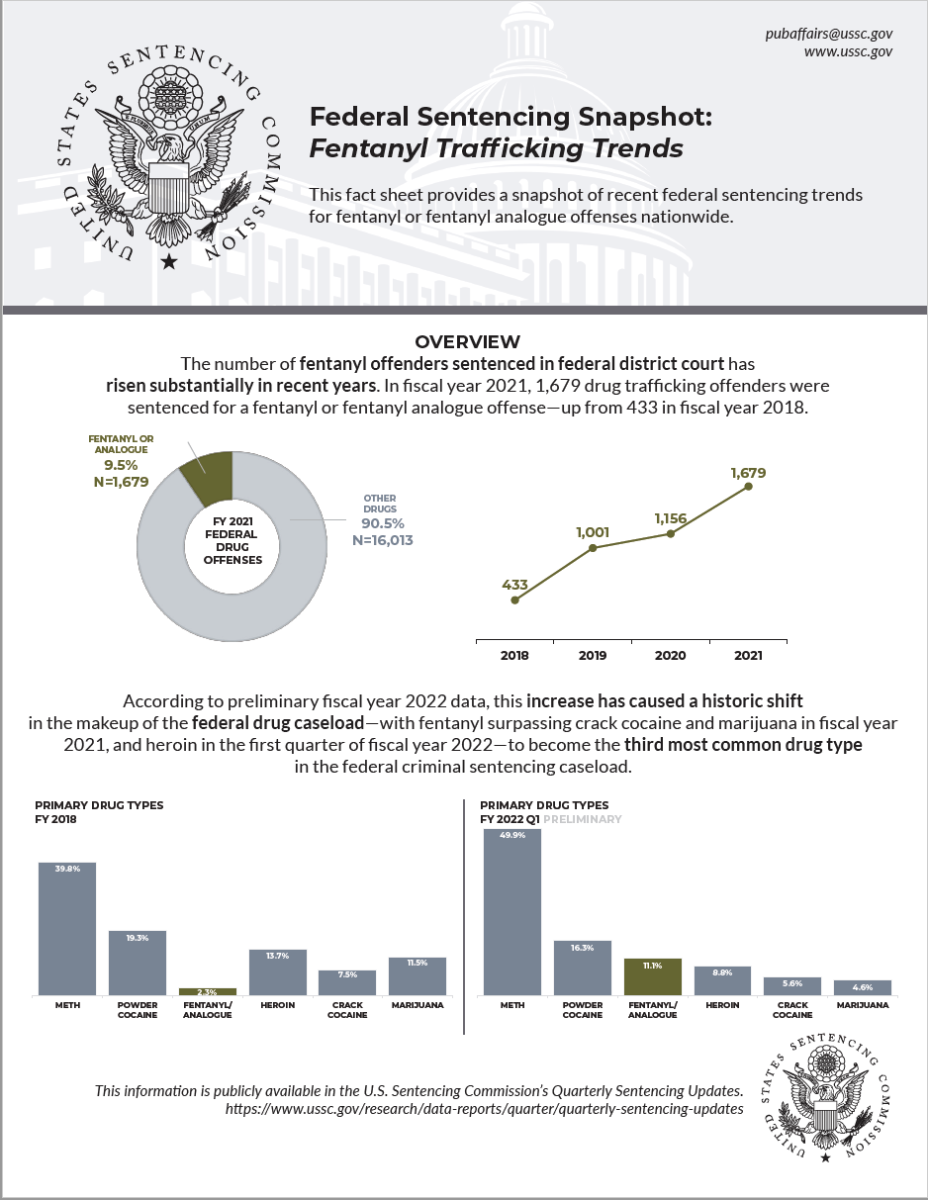
Examining the Fentanyl Crisis: A Closer Look at Federal Drug Trafficking Cases
The recent sentencing of Walter Alexander Argueta-Aguilar and Jorge Manuel Zamora Cano for their roles in smuggling tens of thousands of fentanyl-laced pills has stirred a heated debate and drawn national attention. In this opinion editorial, we take a closer look at a case that brings the tricky parts of modern law enforcement, federal drug trafficking, and mail fraud into the public spotlight.
At the heart of this complex issue lies the challenge of protecting communities from dangerous drugs while ensuring that every nuance of the law is respected. The case, which has involved multiple federal agencies, stands as a stark reminder of the need for rigorous collaboration and the importance of understanding the hidden complexities of the legal system and its interplay with public safety.
Understanding the Drug Trafficking Web
Drug trafficking is a subject loaded with issues, and the fentanyl crisis encapsulates the nerve-racking and overwhelming nature of modern drug-related crimes. Fentanyl, a synthetic opioid far stronger than many other painkillers, has led to a public health emergency across the nation. The case in Atlanta, where these dangerous pills were shipped and distributed, highlights the additional risks posed when prescription-like drugs are repackaged and sold illegally.
In this case, fentanyl pills were made to look like legitimate prescription medications, misleading buyers with their resemblance to pharmaceutical products. This deceptive packaging not only disguises the deadly nature of the substance but also complicates the efforts of law enforcement to identify and intercept these shipments. The deceptively simple appearance of the packages masks an enormous threat—a truth that policymakers and the public must understand.
Federal Sentencing Guidelines for Fentanyl Distribution
The lengths of prison terms handed down to the offenders illustrate the federal sentencing guidelines for drug trafficking offenses. In cases like these, judges must sort through the many legal and procedural issues to decide upon punitive measures that both deter future crimes and offer some measure of justice to those affected by opioid abuse.
Walter Alexander Argueta-Aguilar, an illegal alien from El Salvador, received a five-year sentence and faces deportation. His co-defendant, Jorge Manuel Zamora Cano from Arizona, was given a ten-year prison term along with five years of supervised release. These sentences reflect the serious view taken by the federal courts when it comes to crimes that not only cross state and national boundaries but also engage the mail system as a means of perpetrating illegal activities.
Some of the key points in this case include:
- The use of the U.S. Mail System for trafficking illegal drugs.
- Deceptive methods employed to disguise fentanyl as prescription medication.
- The collaborative efforts of multiple agencies, highlighting the importance of joint investigations.
- A clear demonstration of the federal commitment to combatting the opioid epidemic.
Collaborative Law Enforcement: A Key to Tackling Fentanyl Distribution
The successful investigation and prosecution of this case stand as a testimony to the collaborative spirit among various law enforcement and regulatory bodies across the country. Agencies such as Homeland Security Investigations, the U.S. Postal Inspection Service, the U.S. Postal Service Office of Inspector General, and local police departments have worked together to untangle the tangled issues of drug trafficking.
This kind of inter-agency cooperation is super important for two main reasons. First, it ensures that a comprehensive strategy is in play, one that can cover the many subtle parts of a case involving several jurisdictions. Second, it sends a clear message to those contemplating similar criminal endeavors: multiple federal and local law enforcement agencies are ready and willing to take decisive action.
For instance, the investigation began in February 2024. Federal agents were quick to start piecing together evidence when they noticed suspicious patterns, such as the reception of mail parcels containing counterfeit pills marked with an imprint common on licensed oxycodone tablets. The investigative team then tracked the shipments, including a significant package intercepted from Arizona that was later found to contain over 125 grams of dangerous fentanyl-laced pills.
Analyzing the Hidden Complexities of Packaging and Distribution
An intriguing aspect of this case lies in the tactics used by the perpetrators to avoid detection. The pills, often concealed inside everyday items such as stuffed animals, were meticulously packaged to evade typical postal screening practices. This act of moving a lethal substance through the mail highlights the small distinctions between legitimate package shipments and those designed to hide criminal activities.
Breaking down these deceptive measures reveals several points that law enforcement must figure a path through:
| Deceptive Packaging Method | Risk Factor | Detection Difficulty |
|---|---|---|
| Concealment within everyday items | Misleads detection systems | High |
| Use of counterfeit imprints | Mimics legal prescriptions | Medium |
| Diversion via multiple mailing points | Creates fragmented evidence trails | Challenging |
Each of these tactics represents just a few of the many twists and turns in a case that is both tricky and full of problems. These subtle details require law enforcement to work through various layers of the criminal network while keeping track of how far the investigation might stretch across state borders and regulatory boundaries.
Risks to Community Safety and Public Health
Beyond the legal and procedural aspects of this case, the broader impact on community safety and public health is indisputable. The distribution of fentanyl-laced pills, even when disguised as harmless medication, endangers lives and burdens public health systems that are already overwhelmed. The opioid epidemic continues to evolve, and each case of drug trafficking contributes to the public health crisis that communities, particularly those in urban centers like Atlanta, are battling on multiple fronts.
With numerous cautionary tales emerging from different parts of the country, the following points help outline the risks:
- Increased overdose rates fueled by the spread of synthetic opioids.
- Strain on local hospitals and emergency services dealing with drug-related incidents.
- The ripple effect on families and local communities facing devastating personal losses.
- Potential for larger networks to be exposed, leading to further crackdowns on criminal organizations.
As the legal landscape adapts to emerging threats, community leaders and policymakers are now pressed to get into discussions about both proactive sentencing and prevention strategies. There is a growing call for enhanced education on the dangers of misusing prescription-like drugs and a push for resources that support drug prevention and treatment programs. Websites like justthinktwice.gov and getsmartaboutdrugs.gov have become helpful tools in discouraging drug misuse among young people and the wider community.
The Role of the U.S. Postal System in Drug Trafficking Investigations
The U.S. Postal Service, a crucial aspect of the nation’s infrastructure, has found itself at the center of this investigation. While primarily a means of communication and commerce, the postal system can, unfortunately, be exploited for criminal purposes. The role of the U.S. Postal Service Office of Inspector General demonstrates a proactive stance in identifying and thwarting these illegal activities.
Inspector General Tammy Hull expressed that the U.S. Postal Service is dedicated to countering the misuse of its facilities by criminals. This commitment involves close coordination with federal agents and local law enforcement, ensuring that harmful substances do not circulate unchecked through the mail. Such measures protect not only the integrity of the postal system but also safeguard the citizens who depend on it each day.
Key elements that underscore this role include:
- Stringent monitoring of mail parcels suspected of containing hazardous substances.
- Rapid response protocols when a suspicious shipment is detected.
- Regular audits and cooperation with other federal agencies to build airtight cases against offenders.
Mail Fraud and Deceptive Packaging: Preventing Future Exploits
This case serves as an important lesson in the need to figure a path through the wide array of deceptive methods used by traffickers. The sophisticated disguises employed, including the use of stuffed animals and other everyday items to hide dangerous substances, place additional emphasis on the evolving nature of mail fraud.
Preventing future exploits requires ongoing adaptation by the U.S. Postal Service and law enforcement agencies alike. There are a few measures that could help reduce the likelihood of similar incidents:
- Enhanced screening technologies at postal facilities.
- Targeted training programs for postal inspectors specifically on drug trafficking methods.
- Stronger collaboration protocols between postal workers and law enforcement agents.
- Raising public awareness about the various deceptive techniques employed by criminals.
Each of these measures involves diving into the fine points of how our current systems can be manipulated. By understanding these subtle details and taking proactive steps, the likelihood that such techniques will continue to succeed should diminish significantly.
Lessons Learned and the Future of Federal Drug Prosecutions
This case opens up a broader dialogue about federal drug prosecutions, the challenges of enforcing drug laws in a digital age, and the unforeseen use of everyday services as conduits for criminal activity. Prosecutions such as these shed light on the delicate balancing act that prosecutors must perform—balancing public safety, the pressures of a public health crisis, and the rights of those accused under the law.
Federal courts are now tasked with managing these nerve-racking cases that cross international, federal, and state lines, all while handling the complicated pieces of legal definition and public sentiment. In the broader sense, the case pushes us to ask important questions, such as:
- How do we ensure both strict penalties for offenders and adequate resources for rehabilitation and community education?
- What lessons can be learned from past prosecutions to improve future investigations?
- How can federal agencies continue to work together without overstepping their bounds?
These questions highlight the need to sort out the many pieces of the ongoing battle against drug trafficking. While law enforcement agencies are making significant strides, the fight against the opioid epidemic and drug-related crimes remains ongoing and continually demands our full attention and cooperation on all societal levels.
Assessing the Broader Impact on Policy and Society
The repercussions of these drug trafficking cases extend beyond the individuals involved and into the broader fabric of American policy. The intersection of federal enforcement, immigration debates, and community health considerations has produced a mosaic of challenges that require ongoing dialogue and multi-layered approaches.
At a time when the opioid crisis continues to evolve, policymakers must get into a conversation that goes beyond punitive measures. Critical discussions on the following topics are now more essential than ever:
- Updating policies to better address the trafficking of dangerous substances through modern distribution channels.
- Expanding public health initiatives that focus on prevention and early intervention in communities hit hardest by the opioid epidemic.
- Strengthening the integrity of everyday systems such as the U.S. Postal Service, to prevent them from being exploited by criminal networks.
- Enhancing the legal framework surrounding immigration and crime, especially as it pertains to cases that involve illegal aliens and cross-border challenges.
These issues are full of problems and require a policy response that is as adaptive as the criminal techniques used today. Policy makers, law enforcement professionals, and community advocates need to work together in a transparent manner to derive solutions that are both just and effective.
Strengthening Community Resilience Through Prevention and Education
Community resilience plays a major role in the fight against drug trafficking and opioid abuse. With many communities already stretched thin by various social, economic, and health challenges, there is an essential need for comprehensive strategies that not only focus on law enforcement but also on prevention and education.
In practical terms, this means bolstering educational programs that inform both parents and children about the risks of drug misuse, ensuring that community members have ready access to reliable resources. National campaigns such as justthinktwice.gov and getsmartaboutdrugs.gov provide valuable guidance and prevention tips. Additionally, initiatives aimed at highlighting the danger posed by fentanyl and similar substances must remain a priority in public discourse.
Key areas for community-based initiatives include:
- Local seminars that cover the fine points of identifying prescription drug abuse and preventing drug diversion.
- School and community programs designed to educate young adults on responsible medication practices.
- Collaborative efforts between healthcare providers, law enforcement, and community leaders to develop targeted outreach programs.
- Enhanced access to addiction treatment and recovery services that help reduce the allure of illicit drug markets.
By giving community residents the tools and knowledge to spot early warning signs and steer through the often intimidating landscape of drug abuse, society can take a more balanced and proactive role in combating the opioid crisis.
Revisiting the Role of Immigration in Drug Trafficking Cases
The involvement of an illegal alien from El Salvador in this case adds another dimension to the multifaceted discussions about immigration and crime. In today’s intertwined global context, it is essential to dig into the complicated pieces of how immigration policies both affect and are affected by criminal activities.
While it is necessary not to generalize or stigmatize any one community, the legal system must address each case based solely on its facts. The role of Walter Alexander Argueta-Aguilar in this fentanyl trafficking ring is a stark example of how international migration issues may intersect with domestic law enforcement efforts.
Key points in evaluating this cross-border dilemma include:
- Maintaining a fair and transparent legal process regardless of an individual’s origin.
- Ensuring that immigration laws are not used as a scapegoat for broader issues related to drug trafficking.
- Balancing national security concerns with the rights of those seeking opportunity in the United States.
- Continuously reviewing and updating policies to curb the misuse of legal pathways, such as packaged mail, for criminal enterprises.
Understanding these subtle details helps refine policy discussions and reforms. In doing so, legislators and law enforcement can work together to create more effective strategies that do not punish entire communities but rather focus on preventing and dismantling dangerous criminal networks.
Weighing the Evidence: A Collective Responsibility
At its core, the case against Argueta-Aguilar and Zamora Cano serves as a stark reminder of how each level of federal investigation contributes to public safety. The accumulated evidence—from intercepted packages and counterfeit imprints to concealed shipments—was pieced together through a multi-layered investigative approach that leveraged the strengths of several agencies.
Collectively, the investigative process entailed:
- Pioneering work by federal agents who noticed the unusual patterns in mail receipts.
- Precise coordination between the U.S. Postal Service Office of Inspector General and other federal bodies.
- Effective use of modern tracking and investigative techniques that take a closer look at discrepancies in shipment patterns.
- Strategic prosecutions based on well-documented evidence that underscored the gravity of the offenses.
This case illuminates the layered and varied roles that public servants, from postal inspectors to federal prosecutors, play in keeping our society secure. Their combined efforts underscore the intrinsic value of collaboration, technology, and vigilance in a legal system that must constantly adapt to new challenges.
Best Practices for Future Prosecutions and Policy Reforms
Drawing from this case, several recommendations stand out that could help refine both investigative and policy-related responses to drug trafficking and postal fraud in the future. These best practices address both tactical and strategic considerations:
- Investing in advanced detection technology for postal facilities to catch deceptive packaging in its infancy.
- Enhancing training for frontline staff who can pick up on the small twists and subtle details of unusual parcel shipments.
- Creating a centralized database to flag and track recurring patterns in drug trafficking efforts, ensuring data is accessible across multiple agencies.
- Reviewing sentencing guidelines periodically to ensure that penalties remain appropriate to the evolving nature of drug trafficking crimes.
- Promoting community awareness initiatives that empower citizens with the knowledge to identify and report suspicious activities.
This balanced approach—combining technology, training, and community education—will not only help in prosecuting current offenders but will also serve as a deterrent for future criminal enterprises that try to exploit everyday systems.
The Importance of Transparency and Accountability in Legal Proceedings
An important element that emerges from cases like these is the necessity for transparency and accountability. The detailed documentation of the investigative process, the clear communication from federal officials, and the open sharing of sentencing details all contribute to a legal system that is meant to serve the public interest.
By ensuring that the steps taken by law enforcement are both visible and auditable, public confidence in the legal system is bolstered. Transparency in these proceedings stands as evidence that even the most intimidating and complicated cases are managed with a strict adherence to the principles of justice and due process.
Further, accountability is achieved when offenders are held to a high standard of legal responsibility, regardless of their background or the methods they use to conduct their crimes. In this way, the system sends a robust signal: criminal behavior, no matter how ingeniously disguised, will be met with decisive legal action.
Looking Ahead: Challenges and Opportunities in the Fight Against Drug Trafficking
As we examine this case and its broader implications, it is clear that the fight against drug trafficking is far from over. The challenges are multifaceted and often tangled with issues ranging from technological gaps in detection to legislative shortcomings. Nevertheless, each case not only serves as a cautionary tale but also provides an opportunity to refine strategies, policies, and practices.
The future of federal drug prosecutions depends on several factors:
- An unwavering commitment to updating enforcement methods that reflect the evolving tactics of criminal organizations.
- Increased investment in technology and training that enables law enforcement to get around the tricky parts of modern drug trafficking.
- Efforts to integrate community education about the risks associated with drugs, particularly synthetic opioids, into broader public health initiatives.
- A holistic review of immigration and cross-border policies to ensure that they serve the interests of public safety without unfairly targeting specific groups.
Looking forward, the lessons learned from the fentanyl case in Atlanta should inform not only law enforcement but also a wide range of stakeholders—from policymakers to community leaders—on how best to work together in preventing future drug trafficking networks from taking root.
Final Thoughts: Balancing Justice, Safety, and Compassion
In the complex world of drug trafficking prosecutions, finding your way through the maze of legal, social, and ethical issues is as challenging as it is necessary. The sentencing of Argueta-Aguilar and Zamora Cano is not just a legal victory; it is a call to action for communities, law enforcement, and policymakers alike to look at the broader picture surrounding the opioid crisis and the deceptive methods used by criminal networks.
While the fines, prison terms, and supervised release requirements represent concrete measures taken by the courts, the broader battle entails an ongoing commitment to education, technological advancement, and cross-agency collaboration. Our society must continue to steer through the overwhelming challenges posed by modern drug trafficking, ensuring that our legal system remains robust, transparent, and just.
Every step taken by federal investigators, postal inspectors, and legal officials is a reminder that protecting public health and safety is a collective responsibility. As we reflect on this case and its wide-reaching implications, let us be encouraged by the successes of inter-agency cooperation while also acknowledging the need for constant vigilance against the subtle methods employed by those who seek to misuse our everyday systems.
Ultimately, balancing justice, safety, and compassion will require ongoing dialogue and reform. Whether through enhanced public education initiatives, improved detection technologies, or stronger legal safeguards, the path ahead is both challenging and full of opportunities. It is incumbent upon all of us—lawmakers, law enforcers, and community members—to remain committed to a future where the ravages of drug trafficking are met with swift, fair, and effective action.
The fentanyl case in Atlanta is an important chapter in our collective narrative on drug trafficking. It reminds us of the tangled issues inherent in modern law enforcement, the nerve-racking challenges of prosecuting cross-border crimes, and the key responsibility we all share in safeguarding our communities. As we move forward, let this case serve as both a warning and an inspiration to continuously improve our approaches, ensuring that justice is upheld, vulnerable lives are protected, and our systems remain resilient in the face of ever-evolving threats.
Originally Post From https://www.justice.gov/usao-ndga/pr/illegal-alien-and-arizona-man-sentenced-federal-prison-mailing-kilograms-fentanyl
Read more about this topic at
Fentanyl Trafficking
Quick Facts on Fentanyl Trafficking Offenses