Trump Accuses Military of Targeting Venezuelan Drug Boat Again
U.S. Military Strikes and Their Legal Justifications
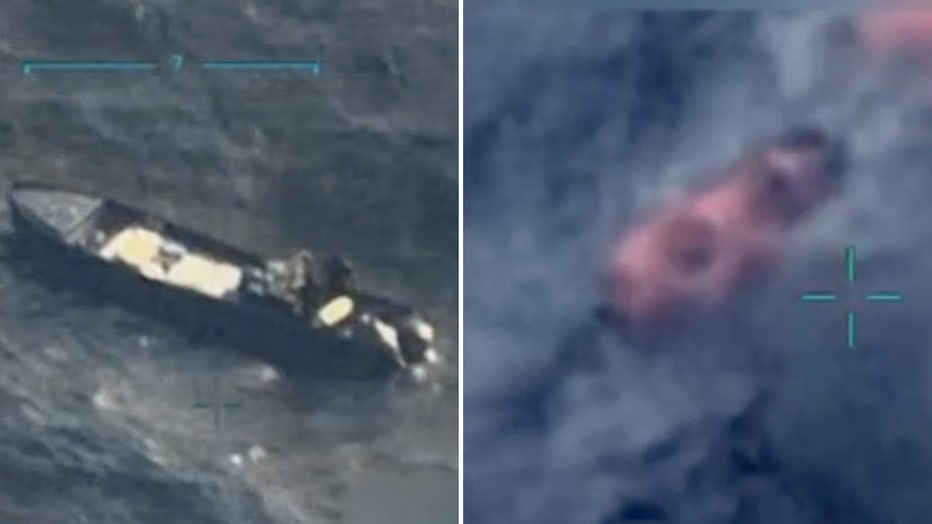
The recent U.S. military strike on an alleged Venezuelan drug vessel has sparked heated debates in both legal and political circles. While President Trump’s administration defended the action as a necessary response to the threat posed by narcoterrorists, legal experts continue to examine whether self-defense can justify such strikes. The incident involved the explosion of a boat in international waters, an act that the administration claimed was aimed at stopping the transportation of illegal narcotics using what they described as a “deadly weapon poisoning Americans.”
This opinion piece seeks to explore the legal and political implications of the strike, while examining the tricky parts of international law, the tangled issues of executive power in military actions, and the nerve-racking impacts these decisions could have on future U.S. policies. By taking a closer look at these topics, we can better understand the underlying legal points and potential future ramifications.
Examining Self-Defense Claims in International Waters
One of the central themes raised by the administration’s statements is the claim of self-defense. The administration asserted that the strike was a response to a direct threat posed by “confirmed narcoterrorists from Venezuela” who were allegedly transporting illegal drugs. Self-defense, as a legal justification, is a long-standing principle in both domestic and international law. However, applying it in cases involving military strikes in international waters introduces several complicated pieces of legal debate.
Self-defense on the high seas is far more complex than it might appear on the surface. While every nation has the right to protect itself, the action must be proportionate, necessary, and conducted within strict legal parameters. When a military strike occurs outside of a nation’s territory—especially in international waters where sovereignty is shared by all states—the subtleties multiply. Critics argue that in such settings, proving an imminent threat requires rigorous evidence and clear intent, and even then, the legality remains open to interpretation.
Evaluating the Legal Basis for Self-Defense
The administration defended its actions by arguing that the presence of the alleged drug vessel in international waters represented an immediate threat to U.S. national security. In international law, a state is allowed to act in self-defense when there is an imminent threat that cannot be delayed or negotiated. Yet, this situation is laden with fine points that merit closer analysis:
- Immediate Threat Requirement: For self-defense to be valid, there must be a clear and present danger. Critics contend that in this case, the evidence presented by the administration is insufficient to confirm that the threat was both immediate and unavoidable.
- Proportionality: International law requires the response to be proportionate to the threat. The use of deadly force in response to what was claimed to be a drug trafficking operation raises questions about the scale of the response.
- International Jurisdiction: As the incident occurred in international waters, establishing which legal framework applies poses additional challenges. The United Nations Convention on the Law of the Sea (UNCLOS) offers guidelines, but interpretations can vary widely.
This case forces legal experts to take a closer look at how self-defense is defined and applied in unconventional settings like the open sea. As the dialogue continues, it remains critical that the principles of necessity and proportionality guide any military action taken in the name of national security.
International Maritime Law and Its Twists and Turns
The realm of international maritime law is full of confusing bits and subtle parts that can leave even seasoned legal professionals scratching their heads. In the context of military strikes, especially those that occur in international waters, determining jurisdiction and the legitimacy of actions taken can be particularly challenging.
Venezuela’s response to the strike further complicates matters. President Nicolás Maduro’s vehement denunciation of the U.S. action as an attempt to intimidate and spur regime change highlights the tense cross-national differences in interpreting international law. His remarks imply that the strike may have been motivated by political maneuvering rather than a bona fide concern for national security or self-defense.
The Role of UNCLOS in Maritime Incidents
UNCLOS plays a pivotal role in regulating the rights and responsibilities of nations in maritime settings. While the treaty grants every state certain freedoms in international waters, it also imposes strict limitations on military actions in these regions. The following table outlines some of the key aspects of maritime law relevant to this incident:
| Aspect | Description | Relevance to the Incident |
|---|---|---|
| Jurisdiction | Establishes rules for which nation exercises legal authority over maritime zones. | Complicates determining which nation’s laws apply. |
| Use of Force | Defines permissible military actions in international waters. | The proportionality of U.S. actions has been questioned under these guidelines. |
| State Sovereignty | Protects the sovereign rights of nations over their territorial waters. | The action in international waters sidesteps traditional jurisdictional boundaries. |
| Self-Defense Provisions | Allows nations to defend themselves under strict conditions. | Raises the question of whether the U.S. strike met the imminence and proportionality standards. |
This table encapsulates some of the small distinctions that set the stage for assessing the legality of the strike. Each point must be examined carefully, as the outcome might set important precedents for future international incidents.
Executive Power and Military Intervention
At the heart of many debates following the strike is the question of executive power. The authority of a president to authorize military action, particularly without explicit Congressional approval, is a contentious issue that has drawn intense scrutiny. President Trump’s announcement via Truth Social, which noted the death of three individuals on board the vessel, has added fuel to this debate.
While presidential power has long been one of the cornerstones of U.S. national security policy, recent actions underscore both the capabilities and limits of executive authority when it comes to international military interventions. The delicate balance between national security and adherence to both domestic and international law has come under the spotlight.
The Legal Bounds of Presidential Authority
The U.S. Constitution grants the president substantial leeway in matters of national defense. However, many argue that this power should not allow unilateral decisions that might lead to a slippery slope in international relations. Among the key issues are:
- Congressional Oversight: The extent to which Congress should be involved in decisions about military action is a subject of ongoing debate. Relying solely on executive orders risks sidestepping this crucial system of checks and balances.
- International Perception: Unilateral actions, especially those conducted without multilateral consent, can damage a country’s reputation on the global stage. This may have long-term diplomatic and legal repercussions.
- Precedent Setting: If executive actions are not carefully monitored, there is a potential for a dangerous precedent that might embolden future administrations to act in similarly aggressive ways.
Working through these issues is critical for maintaining a stable balance between effective national defense and adherence to established legal norms. The debate over presidential power is not just a domestic matter—it has significant implications for international law and global stability.
Political Repercussions on U.S.-Venezuela Relations
The incident has also had a marked effect on political relations between the United States and Venezuela. While the Trump administration’s narrative emphasizes national security interests, Venezuelan officials have dismissed the strike as an act of aggression intended to destabilize their government. President Maduro’s fiery response reflects deep-seated tensions and signals that the repercussions of this incident could be far-reaching.
International observers have noted that such military actions rarely occur in a vacuum. They are often intertwined with broader geopolitical strategies and can influence diplomatic relations in significant ways. In this case, the following are some politically charged issues that have emerged:
- Accusations of Regime Change: Maduro’s response suggests that he views the U.S. action as part of a broader plan to undermine his government.
- Escalating Tensions: The strike has the potential to worsen U.S.-Venezuela relations, increasing the possibility of future conflicts.
- Domestic Political Impact: U.S. political debates are heated, with critics of the executive action calling for more transparency and accountability in the use of military force.
These political effects underscore the importance of considering not only the legal and tactical aspects of the strike but also the broader, long-lasting diplomatic ramifications. It is essential for policymakers to weigh these factors carefully to prevent further escalation and to seek a balanced, peaceful resolution to ongoing disputes.
Classifying Targets as Terrorists: Legal and Ethical Challenges
Another key area of legal contention is the categorization of the individuals aboard the boat as “terrorists.” This label carries with it significant legal and ethical implications, and its application in this context raises several questions. Is it legally valid to designate these individuals as terrorists based solely on their alleged involvement in drug trafficking?
There is no doubt that drug trafficking is a serious issue that can have a profound impact on societies. However, the process of labeling certain groups as terrorist organizations must adhere to strict legal standards. There are several points of concern to consider:
- Ambiguity in Definitions: The distinction between a terrorist organization and a criminal network is not always clear-cut, making it difficult to apply such labels unambiguously.
- Legal Consequences: Once designated, these groups face severe legal restrictions, which can complicate diplomatic relations and international cooperation.
- Due Process: Ensuring that individuals receive fair treatment under the law is paramount, particularly when actions taken in the name of national security might overstep established legal boundaries.
Legal experts must take a closer look at the process by which targets are labeled and ensure that any such designation is supported by detailed evidence and conforms to both domestic and international legal principles. Otherwise, there is a risk of undermining the credibility of foundational legal safeguards.
Ethical Considerations in Designating Terrorist Organizations
Alongside the legal challenges, ethical issues come into play when a government labels a group or individuals as terrorists. Key ethical challenges include:
- Impact on Civil Liberties: Overly broad or inaccurate designations can lead to the erosion of civil liberties, both domestically and internationally.
- Stigmatization: The labeling of individuals as terrorists can carry a long-lasting stigma that affects their rights and the way they are perceived by the international community.
- Policy Consistency: It is vital for governments to apply consistent standards when designating terrorist organizations, ensuring that the process is free from political bias or ulterior motives.
Balancing the urgent need to protect national security with the equally important mandate to uphold human rights is a nerve-racking challenge that policymakers must confront. As future incidents unfold, maintaining transparency and adhering to strict legal criteria will be essential to preserving the integrity of both the legal system and international diplomacy.
Assessing Future U.S. Anti-Drug Trafficking Policies
The recent strike is indicative of a broader, ongoing effort by the U.S. to stem the flow of illegal narcotics into the country. As the administration hints at further military actions aimed at drug trafficking targets, several questions arise about the long-term legal and political strategy behind these efforts.
Future U.S. policies are likely to reflect continued pressure on drug cartels and related networks. However, the legal justification for these actions must be scrutinized closely, as the following points suggest:
- Escalation Risks: An increase in military strikes may lead to unintended consequences, such as escalation into larger conflicts or diplomatic fallout with nations like Venezuela.
- Legal Precedents: Each action taken sets a precedent that could impact how international law is applied in the future, particularly regarding self-defense and international waters.
- Multilateral Cooperation: There is a growing call for increased collaboration among nations to combat drug trafficking, rather than relying solely on unilateral military measures.
It is clear that while the goal of reducing drug trafficking is essential, the methods employed must be carefully weighed against their broader legal and ethical implications. It remains imperative that future policies do not compromise long-standing legal norms in the rush to address immediate security concerns.
A Look at Policy Recommendations and Future Directions
Based on the tangled legal and political issues raised by the recent strike, several policy recommendations emerge for consideration by future administrations:
- Enhanced Congressional Oversight: Increasing the role of Congress in decisions related to military intervention might help ensure that actions are both measured and accountable.
- International Legal Coordination: Working more closely with international bodies such as the United Nations to establish clear guidelines for military actions in international waters could prevent future legal ambiguities.
- Stronger Legal Frameworks: Clarifying the legal definitions of self-defense and the conditions under which military force can be used in international contexts would provide much-needed guidance for policymakers and military commanders alike.
- Transparent Justifications: Publicly disclosing more detailed evidence and legal reasoning behind any military strike can help maintain public trust and mitigate criticisms regarding executive overreach.
By implementing these recommendations, policymakers can find a path through the maze of legal and ethical challenges, ensuring that future anti-drug policies are both effective and legally sound.
Understanding the Challenges of Legal Justification in Military Actions
All of the issues discussed above highlight the delicate balance between national security and the rule of law—a balance that is becoming increasingly difficult to achieve. The U.S. military strike on the alleged drug-carrying vessel is emblematic of these challenges and has already set off a cascade of legal debates that will likely influence future policies.
The use of military force in national defense is a matter of critical importance, but it also brings with it a host of tricky parts. These include:
- Legal Ambiguities: Balancing the need for swift action with the requirement for clear legal evidence can lead to complicated legal debates.
- Domestic vs. International Law: Actions taken on the international stage require adherence to multiple layers of legal frameworks, each with its own set of rules and interpretations.
- Risk of Overreach: There is always a danger that in the rush to address immediate threats, a government might overstep its legal bounds, setting a dangerous precedent for future actions.
This is not a matter that can be easily resolved. Instead, it calls for ongoing dialogue among legal scholars, policymakers, military officials, and the public. Only by acknowledging and addressing these tangled issues can we hope to create policies that protect national security without compromising the legal standards that underpin our democratic institutions.
Weighing National Security Against International Legal Norms
The legal debate surrounding the recent strike is just one part of the overall challenge of balancing national security with international legal norms. On one hand, the protection of the nation and its citizens is a super important goal. On the other hand, adherence to international law is equally key to maintaining stable global relations.
In many ways, this balance is similar to trying to steer through a storm. The U.S. government must figure a path that both addresses immediate security threats and upholds the established frameworks governing the use of force. The situation is compounded by the fact that international law itself is not static; it is influenced by evolving interpretations, new precedents, and shifting political alliances, making every military decision a nerve-racking challenge full of potential pitfalls.
Importance of a Measured, Transparent Approach
Given the complexity of the situation, a measured approach is required. Transparency in both decision-making and communication can help bridge the gap between the need for expedited military action and the demand for legal and ethical accountability. Some steps that can be taken include:
- Open Communication: Regular briefings and clear evidence-sharing help build public trust and international credibility.
- Judicial Oversight: Involving judicial authorities in reviewing the legality of military actions can ensure that decisions are compliant with both U.S. and international law.
- Consultation with International Partners: Collaborative discussions with other nations about agreed-upon legal responses can reduce the risk of unilateral actions leading to broader conflicts.
These strategies are essential for managing your way through the tricky parts of national security law while preserving the legal integrity that is necessary for long-term stability and trust.
Rendering a Broader Perspective: Legal Debates in a Changing Global Landscape
It is important to note that the recent military strike, while highly controversial, is only one example of a broader trend toward using military force to combat localized threats that have international dimensions. In an era of increased global connectivity, actions taken in one part of the world rapidly affect the entire international community. Thus, addressing the legal basis for these actions becomes even more critical.
The changing global landscape is replete with fast-moving, dramatic events where national security issues, international trade, and diplomatic relations converge. The questions raised by the U.S. strike on the alleged drug vessel remind us that every military action, however isolated it might seem, is embedded in a larger framework of legal, ethical, and political debates.
Future Opportunities for Legal Reform
Looking ahead, there is a clear need for legal reform and enhanced international cooperation to deal with the challenges posed by modern security threats. Several opportunities present themselves:
- Strengthening International Legal Instruments: Revising treaties such as UNCLOS to explicitly address modern military challenges could provide clearer guidelines for actions in international waters.
- Establishing Clear Protocols for Self-Defense Measures: Developing more explicit protocols for when and how self-defense measures can be taken in international contexts would help streamline decision-making and reduce legal ambiguity.
- Enforcing Multilateral Accountability: Creating international oversight mechanisms to review and assess military actions can foster greater accountability and prevent unilateral overreach.
By pursuing such reforms, the international community can craft a legal framework that not only addresses the immediate threats posed by activities like drug trafficking but also ensures that responses are measured, lawful, and consistent with established global norms.
Conclusions: Striking a Balance Between Security and the Rule of Law
In conclusion, the U.S. military strike on the alleged Venezuelan drug vessel raises important legal, ethical, and political questions that are unlikely to be resolved easily. On one hand, national security concerns drive the need for decisive, sometimes forceful, action; on the other, adherence to legal standards—both domestic and international—is essential for long-term stability and justice.
While President Trump’s administration defended the action as a necessary step against dangerous narcoterrorists, the issue remains full of problems and replete with conflicting legal interpretations. The debate over self-defense in international waters, the limits of executive power, and the proper methods for designating terrorist organizations are all topics that will continue to be hotly contested for years to come.
It is incumbent upon legal scholars, policymakers, and military officials to work through these tangled issues with a commitment to transparency, accountability, and a balanced respect for both national security and international legal norms. Only by doing so can America ensure that its pursuit of national defense does not undermine the very legal principles that form the foundation of a civilized society.
As we look to the future, the challenge remains to find your way through a maze of legal, ethical, and political twists and turns. In an increasingly interconnected world, every decision carries significant weight not just for national policy but for global stability as well. A measured, thoughtful approach is required—one that allows for decisive action when necessary, while also preserving the little details that ensure justice, accountability, and respect for the rule of law.
Key Takeaways for Policymakers and the Public
In summary, several important points emerge from the legal and political analysis of the strike:
- Self-Defense and Proportionality: Legal justification for military strikes in international waters requires clear evidence of an immediate threat and a proportional response.
- International Legal Frameworks: Adhering to treaties like UNCLOS is crucial for ensuring that actions in international spaces remain lawful and internationally accepted.
- Executive Authority and Oversight: Balancing presidential power with necessary Congressional and judicial oversight helps prevent unchecked military interventions.
- Ethical Labeling: The use of labels such as “terrorist” must be based on clearly defined legal standards to avoid unintended stigmatization and infringement on civil liberties.
- Future Policy Adjustments: Multilateral efforts and the establishment of clearer protocols will be essential to manage future security challenges without overstepping legal bounds.
These points encapsulate the critical issues that will continue to shape the dialogue on military interventions, not only for the United States but for the international community at large.
A Call for Ongoing Discourse and Legal Clarification
The legal debates surrounding military actions in international waters are neither new nor likely to be resolved overnight. As new challenges emerge, policymakers and legal experts must continue to dive in and explore the hidden complexities behind each decision. The balance between protecting national interests and upholding international law is a delicate one, and each new incident provides an opportunity to refine and improve the legal frameworks that govern the use of force.
It is essential for both the public and those in power to recognize that decisions made in the heat of a crisis have lasting implications. By staying engaged with these issues and insisting on transparency and accountability, we can help guide our leaders towards decisions that reflect both the urgency of national security concerns and the fundamental principles of justice and the rule of law.
Final Thoughts
In closing, the U.S. military strike on the alleged Venezuelan drug boat is more than just a singular event—it is a manifestation of the perennial struggle to balance security with legal accountability. The current situation is loaded with issues that require careful consideration and thoughtful debate. While swift action may sometimes be necessary, doing so at the expense of well-established legal standards can undermine both domestic and international trust.
As the debate continues and as more military measures are potentially set into motion, it is critical that all stakeholders—from legal experts and policymakers to the informed public—remain vigilant. Understanding and addressing the tricky parts, tangled issues, and subtle details of each incident will pave the way for a future where national security and the rule of law coexist peacefully.
Through ongoing dialogue, transparency, and concerted efforts to clarify legal standards, we can hope to steer through the twists and turns of modern international relations. Only then can we ensure that our responses to threats, whether they come from drug cartels or other sources, are both effective and ethically sound. It is a nerve-racking path to navigate, but one that is essential for preserving the values and principles that underpin both our nation and our global community.
Originally Post From https://www.fox10phoenix.com/news/us-military-again-targeted-boat-allegedly-carrying-drugs-from-venezuela-trump-says
Read more about this topic at
Trump says US struck another alleged Venezuelan drug …
Trump says US struck second Venezuelan drug vessel …