Nationwide Sweep Uncovers Suspected Sinaloa Cartel Operatives in Bold DEA Operation
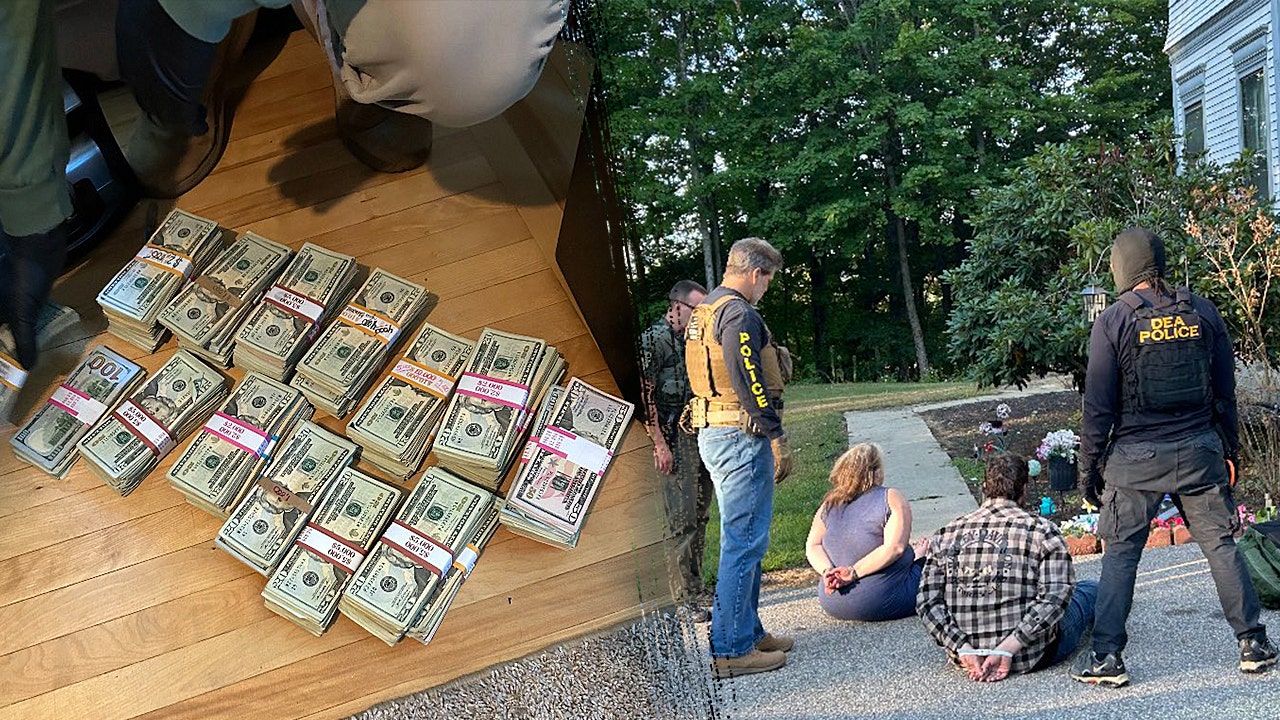
Nationwide Crackdown: Exploring the Massive Sinaloa Cartel Operation
The recent nationwide crackdown on the Sinaloa Cartel is a story that stirs up many opinions. As legal professionals and everyday citizens alike take a closer look, we see a massive law enforcement operation that managed over 600 arrests across 23 states. Evaluating this operation requires us to dig into the tricky parts of both the drug trade and the legal strategies used to combat it.
The Drug Enforcement Administration (DEA) and fellow law enforcement agencies orchestrated what appears to be one of the most expansive, coordinated drug busts in recent history. Over the week-long operation, authorities seized large quantities of fentanyl, methamphetamine, cocaine, and heroin alongside counterfeit pills and cash. While the sheer size of the seizure is impressive, it also raises questions from a legal standpoint about how such operations navigate the many tangled issues inherent within our criminal justice system.
For our readers who appreciate a detailed analysis, the arrest of 171 suspects in New England alone speaks to the potency of regional enforcement. With figures broken down into arrests across Connecticut, Massachusetts, New Hampshire, Maine, Rhode Island, and Vermont, we get a glimpse of the cartel’s reach into both urban centers and rural communities. This op-ed aims to provide an opinion-based assessment by looking at the legal, social, and operational facets that often get enshrouded by sensational headlines.
Legal Perspectives: Understanding the Tricky Parts of Drug Enforcement
One of the key considerations in any large-scale drug enforcement action is the balance between robust law enforcement and the protection of civil liberties. The legal framework that allows for such vast operations is made up of many complicated pieces, including search and seizure laws, probable cause standards, and the coordination of federal and state agencies. When we look at the details of the operation, several points come to the forefront:
- Search and Seizure Protocols: Law enforcement must adhere to strict legal protocols that require a careful balance between rapid action and respecting constitutional rights.
- Probable Cause and Warrants: The process of securing warrants is often nerve-racking for officers and legal teams as they work against the clock to ensure that each step stands up to legal scrutiny in court.
- Interagency Coordination: Collaborative efforts between the DEA, FBI, and other law enforcement bodies require each entity to find its way through the small distinctions of jurisdiction and operational strategy.
Each of these fine points illustrates that while the operation was far-reaching, the legal underpinnings remain as critical as ever. It is essential to highlight that, although the operation seems like a sweeping victory against a drug trafficking giant, the enforcement process is loaded with issues that include obtaining valid evidence, maintaining integrity in chain-of-custody protocols, and ensuring that every citizen’s rights are preserved. From a legal standpoint, even the most impressive seizures are only as strong as the evidence that follows them into court.
Furthermore, legal experts must steer through the maze of potential appeals and constitutional challenges that inevitably arise when operations of this scale are involved. It is not just a matter of patrolling streets and making arrests; it requires working through the maze of unwritten legal expectations and the nuanced balance between aggressive law enforcement and civil liberties protections.
Local Community Impacts: The Tangled Issues and Fine Points of Enforcement
The direct impact on communities is a critical element often overlooked in national news coverage. Behind the statistics—such as the 244 kilograms of drugs and thousands of counterfeit pills seized—lie communities grappling with the consequences of such enforcement actions. Whether one lives in a bustling metropolitan area or a small rural town, the effects are felt at the local level in both tangible and subtle ways.
For communities in New England, where 171 arrests were reported, the operation brings a mixed bag of results. On one side, there is a sense that law enforcement is taking a super important stand against organized crime. On the other, there is unease about the lingering presence of the Sinaloa Cartel that seems to have spread its tentacles into even the remotest areas. In smaller towns, where law enforcement resources can be limited, an arrest like the one in Franklin, New Hampshire, where 27 people were detained after a lengthy investigation, may introduce fears of escalation with little recourse for long-term support or rehabilitation programs.
Moreover, these operations can have direct societal effects that might not be immediately apparent in the headlines. For example, local businesses might witness changes in community dynamics, and families may experience the nerve-racking uncertainty that comes with having a community member caught up in a criminal investigation. This scenario is both complicated and full of problems, as it sends ripples through the social structure, affecting everything from local trust in law enforcement to the economic stability of the region.
In this context, the question is whether such wide-ranging crackdowns damage the trust between the community and law enforcement. While large-scale seizures and arrests offer a sense of safety and progress, the collateral impact on community cohesion cannot be ignored. An operation that is meant to protect the public also has to sort out issues related to post-arrest processes, legal representation, and the reintegration of former suspects into society. These are all factors that underscore the need for balanced policy-making that takes into account the everyday life of community members.
Implications for Future U.S. Drug Policy: Finding Your Way Through the Small Distinctions
This massive operation against the Sinaloa Cartel provides a valuable lens through which we can view U.S. drug policy more broadly. Modern drug enforcement policies must not only tackle immediate threats but also anticipate the long-term repercussions of such actions. In this light, certain key areas deserve special attention:
Policy Adaptation: The evolving nature of drug trafficking means that enforcement policies must be adaptable. With the arrival of new synthetic drugs and sophisticated smuggling techniques—including the use of cryptocurrency for laundering funds—law enforcement agencies must revise their strategies continually.
Community-Centered Approaches: While a crackdown can deter criminal activity, it may also push the drug trade deeper underground. Future policies should consider how to work with communities to provide effective rehabilitation, education, and local intervention programs.
International Collaboration: The Sinaloa Cartel is a global enterprise, and a national operation is only one part of a more extensive international struggle. Policy decisions today need to take into account cross-border cooperation and shared intelligence to effectively dismantle these criminal networks.
To put these points into perspective, the following table outlines core elements that can shape future drug policy based on the lessons learned from the operation:
| Key Policy Area | Considerations | Potential Measures |
|---|---|---|
| Adaptive Legislation | Constantly changing trafficking methods, synthetic drugs | Frequent legislative updates, agile enforcement tactics |
| Community Engagement | Reintegration of suspects, support for affected families | Local rehabilitation programs, community policing initiatives |
| International Cooperation | Cross-border intelligence, international legal frameworks | Shared databases, multinational task forces |
| Technological Advancements | Use of cryptocurrency, digital evidence collection | Improved cyber-investigation units, advanced tracking systems |
This table serves as an overview of how robust and multi-dimensional policies can be forged by examining the little twists and hidden complexities of major operations such as this one. It is super important for lawmakers and enforcement agencies to integrate these lessons into new strategies that are better suited for the current landscape of international drug trafficking.
Challenges and Concerns: Sorting Out the Hidden Complexities
Despite the apparent success of such operations, we are left with a number of complicated questions and nerve-racking issues that deserve a closer examination. For instance, when we poke around the outcomes of these raids, we must face realities that are loaded with challenges. Not all seizure statistics tell the complete story; behind every kilogram of drugs seized, there is the potential for legal loopholes and delays in court proceedings.
Some of the trickier bits include:
- Evidence Handling: The handling and preservation of evidence are subject to strict legal standards. Any misstep here can create tangled issues in later court cases.
- Long-Term Prosecution: Securing a conviction in court can turn into a nerve-racking process, given that the prosecution must demonstrate beyond a reasonable doubt that every element of the crime is established beyond dispute.
- Resource Allocation: Large-scale operations require vast resources. As law enforcement agencies push to crack down on cartel operations, there remains the challenge of ensuring that other areas of crime are not left unattended.
- International Implications: The ripple effects of domestic actions can complicate international relations, especially when foreign governments are implicated or when part of the investigation crosses international boundaries.
These challenges underscore the fact that while arrest numbers and seized assets are eye-catching, the aftermath of these operations is replete with legal and operational twists and turns that must be managed carefully. It is not enough to simply dismantle a criminal network on paper; the subsequent legal procedures and community recovery efforts are equally important and often even more resource-intensive.
Looking at recent events, even when a high-profile figure such as Ismel “El Mayo” Zambada Garcia is involved, the complexities multiply. His plea of guilty, which was announced in a major enforcement move in New York City, reminds us that every arrest involves the face of a person, a family, and a set of future legal battles. In this respect, the operation is full of problems that illustrate the inherent difficulties in dealing with global crime syndicates—the small distinctions in evidence, legal representation, and judicial outcomes can make all the difference.
A Closer Look at Enforcement Actions: The Little Twists of Justice
In our ongoing effort to dissect this landmark operation, it is essential to acknowledge the enforcement tactics and strategies that made it possible. Law enforcement agencies employed everything from traditional investigative methods to cutting-edge digital surveillance. These little twists in their approach not only ensure that illicit activities are halted but also set new precedents for how we tackle organized crime.
One factor that stands out is the use of coordinated raids across multiple jurisdictions. By working together, federal, state, and local agencies have been able to piece together a picture of the Sinaloa Cartel’s operations that would have been near impossible to see through isolated efforts. In many ways, this multi-layered approach allowed the involved agencies to get into the nuanced details of cartel operations, effectively drawing a map of how drugs, firearms, and money move across the country.
The benefits of such cooperation include:
- Enhanced Intelligence Sharing: Agencies can pool their resources, sharing critical evidence and insights that might otherwise be missed.
- Unified Command Structures: By establishing a clear hierarchy and coordinated response, the operation minimized the chances for error and miscommunication.
- Broad Geographic Coverage: With 23 field divisions involved, the operation made its presence felt far beyond any single regional boundary, which is essential when facing a global organization like the Sinaloa Cartel.
These tactics reflect an evolving doctrine in U.S. law enforcement—a doctrine that requires not just a physical presence on the ground, but also an informed understanding of digital evidence, cryptocurrency transactions, and other modern tools that can influence criminal networks. In other words, enforcement actions today are as much about finding your way through a maze of digital trails as they are about patrol cars and helicopters. This blending of old-fashioned legwork with innovative technology represents one of the key shifts in legal enforcement over the past decade.
Yet, even with these advancements, every enforcement action is not without risk. The possibility of overreach, accusations of civil rights violations, and the burden on court systems all form part of the off-putting reality faced by those handling these cases. The legal teams involved must work through such issues carefully, weighing evidence while ensuring that no part of the process is compromised.
Strategies for Sustained Success: Working Through Complicated Pieces in Drug Policy
Given the scope of what has transpired, there is a profound lesson for all policymakers and legal experts: sustained success in combatting drug trafficking must hinge on thoughtful, multi-layered strategies that consider both immediate results and longer-term consequences. At the heart of future policymaking will be the need to reconcile large-scale enforcement actions with community-oriented approaches, ensuring that the legal process is both effective and fair.
Several strategic considerations can help guide future efforts:
- Ongoing Training for Law Enforcement: Officers and agents must continuously update their knowledge base to figure a path through the ever-changing landscape of synthetic drugs and international smuggling methods.
- Community Outreach Programs: In the wake of a large-scale crackdown, robust community support programs can help steer through the nerve-racking aftermath by offering guidance on rehabilitation and reintegration.
- Legal Reforms and Safeguards: It is super important for legislators to work closely with legal experts to enact reforms that manage to protect both the public and individual rights. These reforms must consider the fine points of evidence collection, trial procedures, and appeals processes.
- Technological Investments: As traffickers leverage new tools like cryptocurrency and advanced smuggling techniques, law enforcement must invest in smart, technology-driven solutions to detect and trace these activities.
Table 2 below summarizes these considerations along with potential outcomes:
| Strategic Area | Action Steps | Projected Outcomes |
|---|---|---|
| Training Enhancement | Regular updating of tactical and digital investigation methods | More agile and informed law enforcement responses |
| Community Programs | Implement local support and rehabilitation initiatives | Stronger community resilience and lower recidivism rates |
| Legal Safeguards | Legislative reforms that protect rights during evidence collection | Enhanced trust in the legal system and smoother trial outcomes |
| Technological Innovation | Investments in cybersecurity and digital surveillance | Better detection of sophisticated smuggling methods |
Through such strategies, the government and law enforcement agencies can better manage the hidden complexities that arise during major drug busts. Each potential measure not only addresses the immediate threat posed by organizations like the Sinaloa Cartel but also lays the groundwork for a more balanced and sustainable approach in the future. It is this kind of comprehensive, multi-faceted strategy that must form the backbone of ongoing efforts in the war against drug trafficking.
Community Reactions and Societal Implications: Piecing Together the Aftermath
The impact of such high-profile operations on societal perceptions is immense. Many community members feel reassured that law enforcement is fighting relentlessly against drug trafficking. Others, however, are skeptical, citing concerns over civil liberties and the long-term social cost of mass arrests. In communities across the United States, especially in areas directly affected like New England, evaluations of law enforcement tactics continue to stir debate.
The role of the media in shaping public opinion here is also noteworthy. Extensive coverage of seizures—ranging from millions of dollars in cash to enormous quantities of illicit drugs—tends to create a perception of swift justice. Yet, when we get into the fine details, questions about prosecution rates, rehabilitation efforts, and the impact on local communities remain.
For instance, consider how law enforcement communicates with the public. It is super important that the narrative remains balanced by discussing both successes and the complications that follow such massive operations. To better understand these reactions, here are some common community concerns:
- Over-policing: Many fear that aggressive operations may lead to an atmosphere where community members are scrutinized excessively, sometimes for minor or incidental infractions.
- Judicial Overload: With hundreds of arrests, local courts may face an overwhelming number of cases, potentially delaying justice for both defendants and victims.
- Long-Term Impacts on Families: Arrests and prosecutions can have lasting repercussions on families, creating a chain reaction of social and economic challenges.
- Public Trust in Law Enforcement: While some view these actions as essential for community safety, others worry about the potential for civil rights infringements and feel that the system is too heavy-handed.
Addressing these concerns demands a careful approach that reflects both the immediate benefits and potential pitfalls of aggressive drug enforcement. It is a balancing act—one that must take into account the fine shades of community experience. Law enforcement agencies and policymakers must work together with community leaders to ensure that the benefits of such operations are maximized, while the negative consequences are thoughtfully mitigated.
International Perspectives: The Global Context of Drug Trafficking
No discussion about the Sinaloa Cartel would be complete without acknowledging its international implications. This organization operates not just within the confines of U.S. borders but acts as a transnational network, complicating local enforcement actions with international ramifications. Global cooperation plays an essential role in addressing these challenges.
When we consider cross-border activities and the global exchange of information, a few key aspects come to light:
- Multinational Networks: The Sinaloa Cartel, like many drug trafficking organizations, operates in a web of global relationships, requiring coordinated efforts among several nations to dismantle.
- Sharing of Intelligence: Successful interdiction of drug flows depends on the willingness of countries to share intelligence and coordinate actions, despite sometimes having conflicting legal standards or priorities.
- Legal Harmonization: Different nations have varying legal definitions and thresholds for what constitutes a drug offense, making international legal cooperation a delicate, yet critical, endeavor.
These global complexities demand that U.S. law enforcement not only focus on domestic operations but also work with international counterparts to get around the hidden complexities of cross-border investigations. By establishing robust channels of communication and clear protocols, governments can more effectively target the fine points of these criminal networks and create a unified front that is better prepared to tackle the evolving challenges of transnational drug trafficking.
At a policy level, international cooperation might involve treaties, joint task forces, and synchronized efforts to tackle smuggling routes, making it super important that all participating nations align their strategies. Such alignment is central to ensuring that while local operations can deliver short-term wins, the long-term goal of dismantling the drug trafficking apparatus can be effectively achieved on a global scale.
Media, Perception, and the Legal Narrative: A Closer Dive
Media coverage, as demonstrated by extensive reports and detailed seizure data, plays a significant role in shaping public perception of drug enforcement operations. The coverage often highlights the nerve-racking successes—mass arrests, millions of dollars seized, and high-profile guilty pleas. However, by focusing heavily on statistical achievements, the nuanced, often overwhelming legal and social realities may receive less attention.
In the realm of legal narratives, the media must walk a fine line. It is one thing to report on the seizure of 480 kilograms of fentanyl powder or 420 firearms, and another to report on the painstaking, sometimes intimidating details that follow in the courtroom. The small distinctions in judicial outcomes can transform a headline success into a prolonged legal saga, one where the enforcement victory may be eventually undermined by procedural mistakes, accusations of overreach, or challenges in evidence handling.
We, as informed citizens and legal experts, must take a closer look at how these narratives are constructed. It is essential that media coverage also highlights the ongoing process of judicial review and the community impact that follows in the wake of such large-scale operations. This balanced approach will help us understand that while arrests and seizures are indeed super important milestones, they are part of a much larger legal and social process that continues long after the initial operation is over.
Ultimately, the role of the media is to inform and educate, ensuring that the public can appreciate both the successes and the subsequent challenges that ring in the enforcement of the law. Only by presenting a complete picture—including the tricky bits and the little twists of justice—can we contribute to a more informed discussion about the future of drug policy in the United States.
Conclusion: Charting a Path Forward in a Tense Landscape
This massive, multi-state operation targeting the Sinaloa Cartel stands as a landmark in U.S. law enforcement efforts. It is a powerful reminder that the war on drugs is both a critical and complicated battle, replete with intimidating challenges and small distinctions that demand our utmost attention. While the seizure of vast quantities of narcotics and cash, as well as the arrest of hundreds of suspects, sends a strong message to criminal organizations, it also underscores the need for balanced policy-making.
As we work through the aftermath of these large-scale operations, it is important for lawmakers, law enforcement agencies, and community leaders to continue collaborating on strategies that are both effective and just. By examining the fine points of legal enforcement, recognizing the nerve-racking complexities of judicial proceedings, and addressing the small twists of community impact, we can develop policies that are not only aggressive in combating crime but also compassionate in their approach to rehabilitation and community support.
Looking ahead, the challenge remains twofold: to maintain the momentum in targeting organized criminal networks while also ensuring that the legal system does not become overwhelmed by the sheer volume of cases, nor that communities suffer in the wake of such operations. The legal debate and public discourse surrounding these matters must continue, with a focus on striking the right balance between decisiveness and due process.
In this charged and tense landscape, every enforcement action is layered with intricate details, each filled with both promise and potential pitfalls. The operation against the Sinaloa Cartel is a case study in the interplay of local and international concerns, policy adaptability, and the ongoing need for cornerstones of civil liberty. It reminds us that while law enforcement can seize drugs and arrest criminals, the ultimate goal should be the creation of a safer, more just society where communities are protected and the rule of law is respected.
As we move forward, let us not view these enforcement actions merely as isolated events, but as stepping stones towards a future where comprehensive, community-centered, and internationally cooperative strategies prevail. By keeping our focus on the essential elements—adequate training, community outreach, legal reforms, and international collaboration—we can help shape a future where the tangled issues of drug trafficking are met with well-informed, effective legal solutions.
This nuanced approach is the only way to ensure that while we celebrate the immediate successes of large-scale operations, we remain vigilant in addressing the longer-term consequences that they invariably bring. Only through thoughtful, sustained, and balanced efforts can we hope to break the cycle of drug trafficking and create a society that is truly safe for all its members.
In sum, the nationwide crackdown on the Sinaloa Cartel, while a significant victory in many respects, serves as both an inspiration and a cautionary tale. It is a reminder of the fine details involved in upholding the law, the overwhelming scope of modern criminal networks, and the need for a legal system that works diligently to protect the rights of every citizen. As observers, legal experts, and participants in this ongoing dialogue, we must continue to find our way through these complications, ensuring that every step taken in the battle against organized crime is measured, just, and ultimately, effective.
Originally Post From https://www.fox10phoenix.com/news/suspected-sinaloa-cartel-members-apprehended
Read more about this topic at
DEA arrests 600+ in massive Sinaloa cartel crackdown …
Suspected Sinaloa Cartel members apprehended in 23- …