El Mirage shooting shakes community and leaves family in mourning
Police Use of Deadly Force: A Closer Look at the El Mirage Incident
The fatal shooting in El Mirage has once again stirred a heated debate over police use of deadly force and highlighted numerous tangled issues in law enforcement practices. In this opinion piece, we take a closer look at the facts of the case, examine the legal framework that governs police behavior, and consider how authorities might better steer through similar high-pressure scenarios in the future.
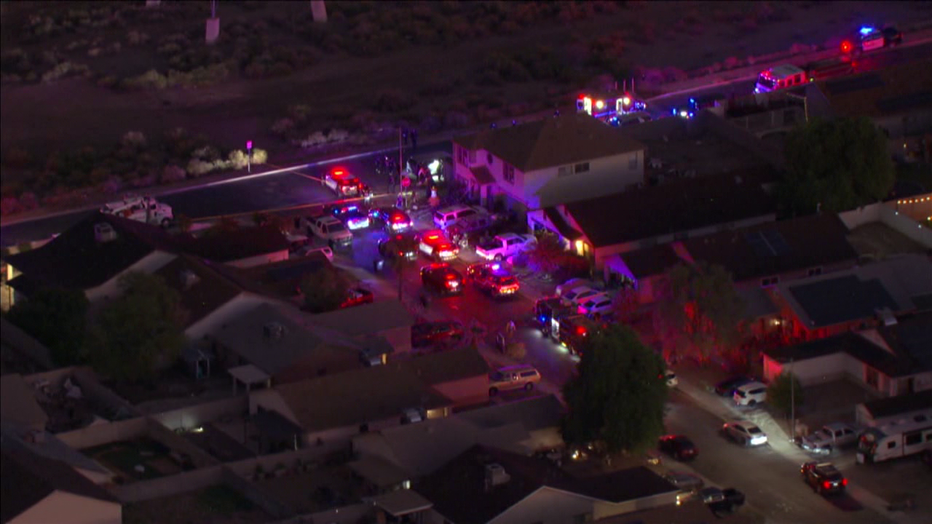
On the evening of October 9, 2025, police responded to a distress call in an El Mirage neighborhood. When officers arrived near 115th Avenue and Columbine Drive—north of Cactus Road—they encountered 44-year-old Jeremy Preckel, who was reportedly walking down the street with a rifle in hand. According to sources, Preckel had earlier claimed he was suicidal during a call with 911. Amid the commotion and uncertainty, officers attempted to communicate with him, but the situation escalated quickly, resulting in Preckel being fatally shot at the scene. It is important to note that no police officers were injured during this incident.
This event did not occur in isolation. It was a part of a broader pattern observed in the Phoenix metropolitan area, where several instances of deadly force have been recorded in 2025 alone. The El Mirage case is identified as the 35th police-involved shooting in the Phoenix area this year and the 68th statewide. These figures underscore the importance of carefully examining the criteria and protocols that lead law enforcement to use lethal methods when faced with seemingly desperate individuals.
Examining the Incident: Background and Factual Overview
At the heart of the incident in El Mirage is a scenario loaded with issues that rapidly escalated beyond initial expectations. The timeline, reconstructed from police reports and witness accounts, reveals how quickly things can get out of hand in high-stress public safety operations. The sequence of events is as follows:
- Initial distress call: A 911 call reported a suicidal man, describing him as exhibiting behavior that raised alarm.
- Officer arrival: Emergency responders and police units mobilized swiftly and reached the scene shortly after 5:30 p.m.
- Encounter with Jeremy Preckel: Upon arrival, officers found Preckel walking with a visible rifle, which he appeared to be approaching them with.
- Attempted communication: Officers made efforts to talk to Preckel, trying to figure a path that would avoid escalation.
- Shooting: As interactions failed to defuse the tension, the officers discharged their weapons, leading to Preckel’s death at the scene.
This brief timeline illustrates the nerve-racking twists and turns that law enforcement officials must quickly negotiate. The precise moment at which communication turned to confrontation is a fine point in the narrative that continues to provoke intense discussion among legal experts, community leaders, and civil rights advocates alike.
Legal and Procedural Perspectives on the Use of Force
From a legal standpoint, the use of deadly force by police is primarily governed by strict standards that are designed to balance public safety and individual rights. Such standards are intended to ensure that officers can make split-second decisions without overstepping constitutional protections. However, as this incident demonstrates, these decisions are rarely straightforward and are often riddled with tension and ambiguities.
In cases like these, two areas demand particular attention:
- The Reasonableness Standard: U.S. law, based on landmark rulings such as Tennessee v. Garner and Graham v. Connor, holds that the use of deadly force must be reasonable under the circumstances. Whether Preckel represented an immediate threat to officers or the public is central to assessing the appropriateness of the use of force.
- Policy and Training Protocols: Law enforcement agencies engage in intensive training that involves simulated high-stress encounters. The effectiveness of these programs, however, varies, and subtle parts of the protocols can make the difference between de-escalation and tragedy. In Preckel’s case, the decision to shoot was made under conditions that many might describe as both intimidating and overwhelming.
The Glendale Police Department’s decision to launch a formal investigation into the shooting is standard procedure and is designed to provide a clear record of the chain of events. This investigative process is one of the key measures meant to uphold transparency and accountability in law enforcement, and to help the community get a clear picture of what really happened.
Communication Breakdown: How High-Stress Encounters Unravel
The unfortunate reality of many incidents involving deadly force is that communication—or the lack thereof—often plays a crucial role in the outcome. In the El Mirage incident, the initial call to emergency services highlighted the risk of misinterpretation during moments of high anxiety. When an individual claims to be suicidal, responders are required to engage with him while also protecting their own safety and that of bystanders.
In such situations, there are several tricky parts that complicate the process:
- Clarity of Intent: Determining whether a subject is actively posing a threat or merely in distress can be challenging when emotions are high and situations evolve rapidly.
- Timing of Response: The speed at which officers must respond often leaves little room for elaborate de-escalation strategies. This time pressure can lead to outcomes where the nuanced details of communication are lost in the rush to act.
- Environmental Factors: The physical layout of the scene and any potential witnesses further compound the issue, adding layers of complexity that can interfere with clear, calm exchanges.
The case under review is a prime example of how quickly negotiations and attempts to diffuse tension can shift into situations that are tough to control. The officers tried to reach out and figure a path that might lead to a peaceful resolution; however, once they perceived an imminent threat due to Preckel’s movements with a rifle, split-second decisions were made that resulted in the use of deadly force.
Understanding the Tricky Parts of Legal Use of Force Standards
While legal standards are in place to help law enforcement navigate these challenging encounters, the reality is that these standards often exist in a space full of problems and confusing bits. The “reasonableness” of the force used, although defined by precedent, remains a point of contention for legal scholars and the general public.
A closer look at these challenges reveals several key points that demand close scrutiny:
- Subjective Judgment: The ultimate decision to use lethal force is influenced by the officer’s training, personal experience, and interpretation of the situation. Even the best-trained individuals can find themselves overwhelmed by the nerve-racking mosaic of developing facts on the ground.
- Documentation and Evidence Collection: In an incident as charged as this one, collecting every detail—from body camera footage to witness testimonies—is essential. Without full documentation, it becomes daunting for investigators to untangle the myriad small distinctions that could critically alter our understanding of the event.
- Judicial Review: Courts are tasked with reviewing these cases through the lens of established legal frameworks. Yet, judicial outcomes often depend on subtle nuances in evidence that might be subject to interpretation and further debate.
Given this environment, it is no wonder that the Glendal Police Department’s investigation is both crucial and under intense public scrutiny. The review process must weigh all these twisting parts carefully, offering transparency without compromising the sensitive nature of on-scene decision-making.
Community Trust and the Broader Impacts of Police Shootings
Incidents like the El Mirage shooting have a far-reaching impact beyond the immediate tragedy. They often trigger discussions about community trust and the relationship between law enforcement and the citizens they serve. When a police-involved shooting occurs, the ripple effects can be seen in public opinion, legislative discussions, and media focus for weeks, months, or even years afterward.
The consequences are both tangible and subtle. On one hand, communities demand clear and unbiased investigations to reassure them that justice is being served. On the other, even a single incident can increase fear and suspicion in neighborhoods that may already be on edge. This duality illustrates the contrasting outcomes that often accompany such high-profile cases:
- Essential Transparency: It is super important that law enforcement agencies communicate openly about their internal procedures and the outcomes of their investigations. Only through a clear understanding of available evidence can the public begin to heal from such incidents.
- Erosion of Trust: Each incident has the potential to chip away at public confidence, particularly when the event is riddled with problems that many feel could have been avoided through better communication or more effective de-escalation techniques.
- The Call for Reform: In the wake of repeated shootings, local and state leaders often propose changes to existing protocols. Whether in the form of updated training programs, new communication methods during emergencies, or technological enhancements (like better body-worn camera systems), these proposals reflect a clear desire to learn from past mistakes and improve future outcomes.
It is in this light that the El Mirage incident should serve as a wake-up call. As the investigation unfolds, community leaders and legal experts alike must take a closer look at how events spiral into something so painful, and explore strategies to better align immediate responses with safe, non-lethal alternatives.
Working Through Law Enforcement Training and Policy Reforms
The dialogue around police use of deadly force remains on edge partly because of gaps in training and policy implementation. Given the high stakes involved, law enforcement agencies must continuously update their practices to keep pace with changing societal expectations and legal standards.
Several key aspects of training warrant special attention:
- Scenario-Based Training: Officers benefit greatly from simulated scenarios that reflect the nerve-wracking twists and turns encountered in the field. These exercises should include not only physical response strategies but also intensive modules on how to handle the subtle parts of verbal communication in volatile circumstances.
- Communication Under Pressure: Specific training that emphasizes de-escalation techniques can equip officers to better figure a path through ambiguous situations. This training can be instrumental in reducing the likelihood of precipitous decisions that may prematurely trigger the use of deadly force.
- Legal Updates and Reviews: As courts and legislatures continue to refine the fine points of what constitutes reasonable action, law enforcement agencies must ensure that their personnel are up to date with these critical legal changes. It is super important to integrate these lessons into daily procedures.
Reforming these training practices would help mitigate some of the complicated pieces that come into play during real-life confrontations. Moreover, ongoing dialogue with community stakeholders could pave the way for policies that respect both public safety and the dignity of all individuals involved, thus reducing the potential for miscommunication and excessive force.
Analyzing the Broader Legal Trends: Police Shootings in 2025
A review of use-of-force data in the Phoenix area reveals an unsettling pattern. With 35 deadly force incidents already recorded in 2025 within one urban area and 68 statewide, the statistical trends indicate that law enforcement officers are facing nerve-racking situations on a routine basis. This frequency has driven legal analysts to dig into correlations between training, policy, and the overall number of violent encounters.
To help clarify this point, consider the following table that summarizes key data elements associated with police shootings in the region:
| Year | Total Police Shootings (Statewide) | Shootings in Phoenix Area | Incident Examples |
|---|---|---|---|
| 2023 | 60 | 20 | Various urban and suburban incidents |
| 2024 | 65 | 25 | Several high-profile encounters |
| 2025 | 68+ | 35+ | Includes the El Mirage and Queen Creek incidents |
This statistical snapshot is eye-opening. It points to a trend where the use of deadly force is not a rare event but rather an increasingly common response in numerous high-stress scenarios. These numbers compel policymakers to take a much closer look at not only the legal standards but also at the hidden complexities and slight differences in training and policy execution across departments.
While such data can be intimidating for community advocates, it also represents a call for a thorough re-evaluation of the systems in place. Notably, it raises critical questions about whether existing training methods, communication protocols, and oversight mechanisms are adequate in a rapidly evolving socio-legal landscape.
Comparative Reflections: Lessons from Other Jurisdictions
Across the country, various cities and states have been grappling with similar stories of police-involved shootings. Some jurisdictions have introduced innovative training sessions which incorporate real-time feedback, while others have invested heavily in technology meant to better document and understand the dynamics of these high-pressure confrontations.
Looking at examples from other regions provides a useful perspective. For instance, some localities have implemented community oversight panels that include legal experts, civil rights advocates, and law enforcement officials. These panels help sort out post-incident reviews, offering feedback that is both critical and constructive. The benefits of such a system include:
- A more balanced evaluation of incident details, thus reducing the nerve-racking burden placed solely on internal investigations.
- The opportunity for community members and legal professionals to actively engage in developing safer response protocols.
- A measurable improvement in transparency and accountability, which goes a long way in restoring public trust.
When communities can see that the system is actively learning from its past mistakes and adapting accordingly, the outcome can be a gradual shift towards practices that reduce the overall instances of excessive force. The experiences of other cities serve as important reminders that while the legal framework provides a foundation, the day-to-day implementation requires continual fine-tuning and vigilance.
Exploring the Role of Technological and Policy Innovation
One cannot discuss the escalating challenges in law enforcement without acknowledging the role of technology. As police departments invest in advanced body-worn cameras, automated dispatch systems, and enhanced communication networks, there is an opportunity to better manage the tricky parts of high-pressure encounters.
Key technological innovations include:
- Body-Worn Cameras: These devices can capture the subtle parts of officer interactions, providing an accurate record of what transpired. They offer critical evidence that can help identify where improvements are needed.
- Real-Time Data Sharing: By leveraging mobile technology, officers can receive updates and alerts from command centers, which may help steer through rapidly evolving situations with more information and confidence.
- Enhanced Communication Tools: Investment in better inter-departmental communication platforms can mitigate the nerve-racking challenges of coordinating responses during multi-agency operations.
The integration of these technologies should be seen as super important not just for accountability purposes, but also for the broader goal of reducing the instances of fatal encounters. Nonetheless, technological solutions are not a panacea; they must be implemented alongside thoughtful revisions to training and operational policies.
Policy Considerations for the Future: Striking the Right Balance
Given the recurring use-of-force incidents and the complex, high-pressure environments in which officers operate, there are several key policy considerations that lawmakers and law enforcement leaders must address going forward:
- Revisiting Use-of-Force Guidelines: Lawmakers should consider updating guidelines to incorporate the latest research on de-escalation and communication. Clearer criteria might help officers make better-informed decisions during moments of crisis.
- Expanding Crisis Intervention Training: Offering more intensive programs that focus on understanding mental health crises can be crucial. Such training enables officers to take a closer look at non-lethal options and to better figure a path through moments when someone is in distress.
- Strengthening Oversight Mechanisms: External oversight bodies could play a larger role in reviewing incidents involving the use of deadly force, ensuring that investigations are free from internal biases and that community voices are heard.
- Community Engagement Initiatives: Open forums and regular dialogues between police and community members can address the subtle details of local concerns, thus fostering mutual understanding and trust. This approach not only reassures the public but also provides valuable feedback that can inform future reforms.
These policy initiatives are critical steps in laying the groundwork for a future where police responses are as measured and effective as possible. While no single solution will capture all the nuances of these difficult situations, the collective effort of refining legal standards, training protocols, and community relations can lead to meaningful change.
Conclusion: Striving for a Safer, More Transparent Future
The incident in El Mirage serves as a stark reminder of the nerve-racking challenges faced by both law enforcement and communities when dealing with situations that spiral out of control. Jeremy Preckel’s tragic death underlines the intricate balance required between ensuring public safety and respecting the rights and lives of individuals in distress.
While police officers are often required to make split-second decisions amidst overwhelming circumstances, it is equally important to ensure that these decisions are backed by comprehensive training, clear legal guidelines, and robust oversight. By taking a closer look at the fine points of use-of-force cases, communities and law enforcement alike can work together to foster an environment of trust, accountability, and continual improvement.
In reflecting on the facts of this case and comparing them to broader trends across the region, it becomes evident that the legal and practical challenges of managing high-stress encounters are not easily resolved. Yet, through a combination of improved communication, enhanced training, technological innovation, and community-centered policy reforms, it is possible to reduce the occurrence of fatal outcomes while preserving public safety.
Ultimately, the lessons to be learned from El Mirage are clear: The path forward involves acknowledging the intricate, tangled issues that plague our current systems and committing to a future in which each step is taken with both caution and clarity. As the investigation continues and further details emerge, there remains an opportunity for change—a chance to transform lessons learned today into safer practices tomorrow.
Key Takeaways for Policy Makers and Law Enforcement Leaders
In summary, the case of the El Mirage police shooting underscores several critical aspects that require urgent attention:
- The importance of meticulously balancing immediate threat response with strategic de-escalation techniques.
- The need for rigorous and updated crisis intervention training that addresses both the physical and communication challenges present in rapidly evolving scenarios.
- A commitment to full transparency and community engagement in the aftermath of such incidents, to ensure that the public remains informed and involved in reform efforts.
- The role of modern technology in gathering evidence and providing real-time communication, which can assist officers in making more measured decisions.
Each of these points represents a piece of the larger puzzle that we must work together to solve. While the twists and turns of each incident may be nerve-racking, it is through open dialogue and relentless pursuit of improvement that we can hope to reduce the frequency of such tragic outcomes.
Moving Forward: A Call for Collective Responsibility
In conclusion, as we work through the tangled issues surrounding police use of deadly force, there is a clear need for collective responsibility—one that involves law enforcement officials, policy makers, community leaders, and citizens. It is only by addressing the subtle details, communicating effectively under pressure, and continuously striving to refine our practices that we can lay the foundation for a safer, more just society. The El Mirage incident, painful as it is, provides a stark opportunity for reflection, reform, and renewed commitment to protecting every life while ensuring that justice prevails through transparent, fair, and measured action.
The path ahead is undoubtedly challenging, and while it is not free of overwhelming and complicated pieces, with concerted effort and comprehensive reform we can hope to find our way through the shadows of past mistakes. In doing so, we honor not only the memory of those who have suffered but also our deep-seated commitment to a future where each community member can feel secure, respected, and protected under the law.
As the investigation into the El Mirage shooting proceeds and more evidence is brought into the light, it is essential for all stakeholders to keep the conversation going. Only by continually taking a closer look at every aspect—from legal standards to on-the-ground practices—can we hope to mitigate future tragedies and ensure that every decision made in the field reflects the best balance between decisiveness, caution, and empathy.
Ultimately, while the details of this particular case remain under scrutiny, the broader dialogue it sparks should lead to improvements that benefit all. Our goal must be a law enforcement system that is not only responsive but also reflective—one that continuously learns from its mistakes and pioneers innovative practices in the face of an ever-changing landscape. The work is challenging, yet it is a must-have endeavor for the safety and well-being of every community member as we forge ahead into an uncertain future.
Originally Post From https://www.azfamily.com/2025/10/09/man-who-appeared-have-gun-killed-police-shooting-el-mirage/
Read more about this topic at
Man dead after shooting involving off-duty Milwaukee …
Man dead after shooting involving off-duty Milwaukee …